 emonster tools
Running pace
Published
Solve pace, time or distance and generate splits at a constant speed. Choose which of pace, distance or time to solve for. Use the cumulative split times as checkpoints along a route, with pace expressed per kilometre or per mile.
Free to use. No email or account required.
Bookmark
Bookmark this tool
Save this link in your browser’s bookmarks.
Paste this link into the address of a new or existing bookmark.
On desktop, drag Running pace to your bookmarks bar.
Only the tool’s link is shared. Your inputs and results are not included.
Share
Your inputs
Edit the example inputs to match your task. Results update as you edit.
Calculations run in your browser. Inputs are not saved or sent to analytics.
How it works
Formula
- Split interval (zero to omit; selected distance unit)
- Supported input limits: : 1e-12 ≤ x ≤ 1,000,000,000,000; : n ≤ 14; : n ≤ 14; : 0 ≤ x ≤ 1,000,000,000,000
Input and formula key
Your result
Complete the inputs to see your result.
Sources
- NIST — conversion factor conventionsSources reviewed: 2026-10-06
- NIST — conversion factor table B.8Sources reviewed: 2026-10-06
Assumptions and limitations
Enter time and pace as HH:MM:SS; pace uses your selected distance unit. Splits assume one constant speed, with the final segment shortened when necessary. Projected times do not account for fatigue, hills, weather or training fitness.
How to use this tool
Set up the inputs
Choose the missing quantity: pace, time or distance. Enter the other two using kilometres or miles and the documented hours:minutes:seconds format. Pace input is time per selected distance unit. Set a split distance in that same unit for a pacing table, or leave it at zero to omit splits.
Worked examples
-
Use a training run to project a shorter time
- 10 km /50 min = 12 km/h; 50 min/10 km = 5 min/km; 5 km × 5 min/km = 25 min
Frequently asked questions
How should I read the result from Running pace?
Compare pace per kilometre and per mile without confusing either with speed. The distance-versus-time line and split table assume constant pace; the final split can be shorter. Use cumulative times for checkpoints, rather than adding rounded displayed segment times.
Processing and privacy
The calculation or transformation runs in your browser. The tool does not send its input values or generated output to an application server. Loading a page still makes infrastructure requests; optional analytics and Google consent messages have separate controls.
Privacy Policy. Privacy & preferences in the footer controls optional analytics.
Help and feedback
Consult the linked sources for definitions and reference data. Contact Support if you have a question or notice a problem.
Read about calculation methods · Report a problem to emonster
Related tools
Explore this subject: Sport & fitness
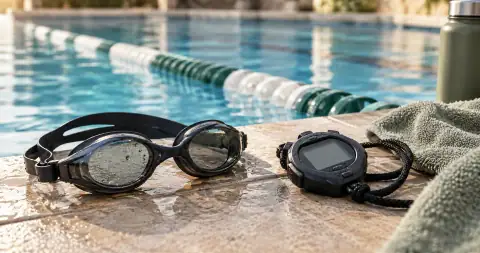
Swimming pace and pool lengths
Compare pace per 100 metres or yards and track complete lengths and partial distance.
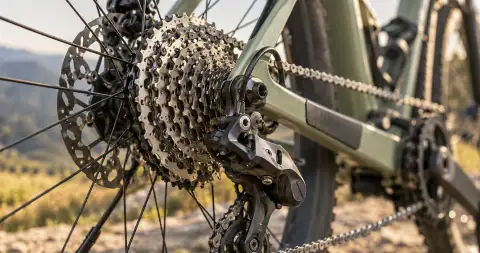
Bicycle gearing and speed
Compare gear ratios, development and speed using wheel rollout and pedalling cadence.
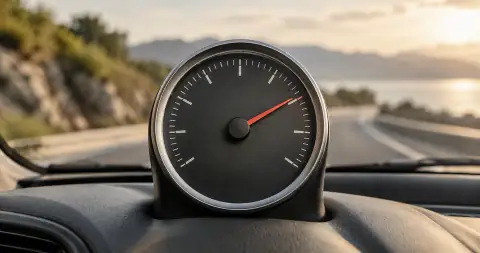
Speed converter
Compare speeds expressed in metric, imperial and nautical units.